
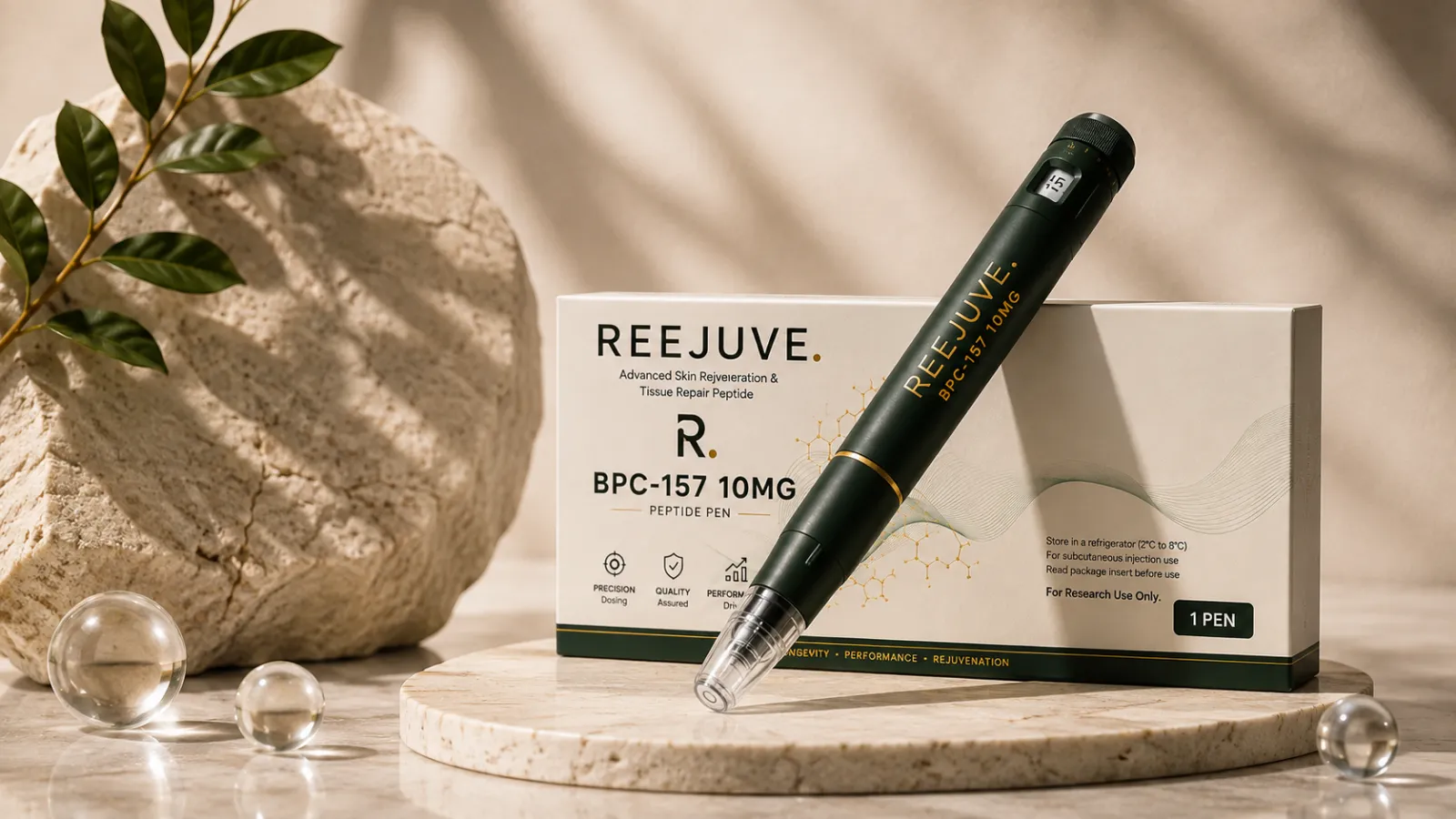
Peptide Science
BPC-157: The Peptide That's Changing Recovery
Explore the science behind BPC-157 and how it supports healing, reduces inflammation, and optimizes recovery at the cellular level.
BPC-157, or Body Protection Compound-157, is a synthetic peptide derived from a protein found naturally in gastric juice. Over the past decade, it has become one of the most researched peptides in the field of regenerative medicine and for good reason.
What Makes BPC-157 Different?
Unlike many peptides that target a single pathway, BPC-157 has a remarkably broad mechanism of action. It influences growth hormone receptors, promotes angiogenesis (the formation of new blood vessels), and modulates the nitric oxide system, all of which are critical to the body's natural healing processes.
Healing at the Cellular Level
Research has shown that BPC-157 can accelerate the healing of tendons, ligaments, muscles, and even bone. Studies in animal models demonstrate consistent improvements in tissue repair rates, with subjects recovering significantly faster from injuries when administered BPC-157 compared to controls.
The peptide appears to work by upregulating growth hormone receptor expression in tendon fibroblasts, which directly stimulates the production of collagen, the structural protein that makes up the majority of connective tissue.
Anti-Inflammatory Properties
Chronic inflammation is one of the primary barriers to recovery. BPC-157 has demonstrated potent anti-inflammatory effects, reducing levels of pro-inflammatory cytokines and supporting the resolution of acute inflammatory responses. This makes it particularly relevant for athletes dealing with overuse injuries or post-surgical recovery.
Gut Health and Systemic Benefits
Interestingly, BPC-157's origins in gastric juice hint at another area of benefit: gut health. Research suggests it can help repair intestinal damage, support the gut-brain axis, and even protect against NSAID-induced gut damage, a common issue for athletes who rely heavily on anti-inflammatory medications.
Current Research Status
While the majority of BPC-157 research has been conducted in animal models, the results have been consistently impressive. Human clinical trials are ongoing, and the peptide is currently available for research use only. As always, we recommend consulting with a qualified healthcare professional before incorporating any peptide into your wellness protocol.
Key Takeaways
- BPC-157 supports tendon, ligament, and muscle repair at the cellular level
- It promotes angiogenesis and collagen synthesis
- Demonstrates significant anti-inflammatory properties
- May support gut health and systemic recovery
- Currently available for research use only
Related Articles
More in Peptide Science
Peptide Science
What Are Peptides and How Do They Work?
A foundational guide to understanding peptides, what they are, how they signal the body, and why they are at the forefront of modern wellness science.

Peptide Science
The Future of Peptides: What's Next in Research
A look at emerging peptides and breakthroughs shaping the future of health and longevity.